The Essential Guide to Horse Pre-Purchase Exams: Costs, Stages, and Key Considerations
Understanding the Horse Pre-Purchase Exam
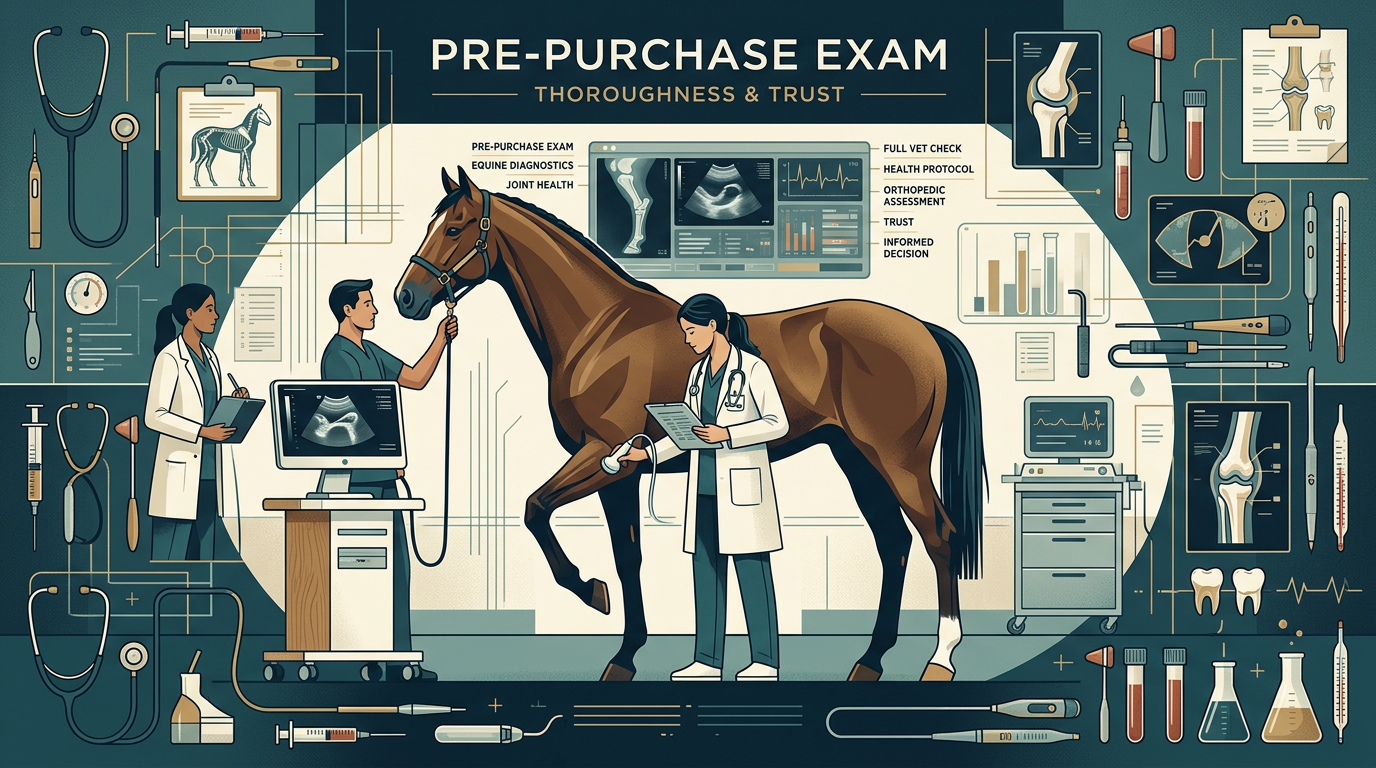
A horse pre-purchase exam (PPE) is an essential step in buying a horse. It involves a thorough examination conducted by a veterinarian to assess the horse's health and suitability for your intended purpose. Unlike other pet purchases, a horse is a significant investment, both emotionally and financially, making a PPE crucial. This exam helps identify potential health issues that may affect the horse's performance or lifespan, offering you peace of mind before making a final decision.
2-Stage vs 5-Stage Vetting
The two primary types of PPE are the 2-stage and 5-stage vetting. The 2-stage vetting is a basic examination focusing on the horse's physical condition and soundness. It typically includes a general health check and an assessment of the horse in motion. On the other hand, the 5-stage vetting is more comprehensive. It encompasses the same examinations as the 2-stage, plus an evaluation after exercise, a period of rest, and a second trot-up. This detailed process offers a clearer picture of the horse's overall health and any potential issues that might only present under stress or recuperation.
Choosing between these two largely depends on the horse's intended use and your level of financial commitment. For high-performance horses, the 5-stage vetting provides a deeper insight, potentially saving future costs related to health problems.
Understanding the Costs Involved
The cost of a PPE varies significantly by country and the extent of the examination. A basic 2-stage vetting might cost between $250 to $500, while a 5-stage vetting can range from $500 to $1000, depending on geographic location and the professional fees of the veterinarian. Additional tests, such as X-rays or bloodwork, can further increase these costs. For example, X-rays could add another $200 to $500, and blood tests might range from $100 to $200.
- ⚑2-stage vetting: $250 - $500
- ⚑5-stage vetting: $500 - $1000
- ⚑X-rays: $200 - $500
- ⚑Blood tests: $100 - $200
It's important to remember that while these exams might seem costly upfront, they can prevent far more expensive medical treatments or the emotional strain of having to give up an unsuitable horse.
Who Chooses and Pays for the Vet?
Typically, the buyer selects and pays for the vet to ensure impartiality. Choosing a vet familiar with the horse in question can lead to a conflict of interest, which is why it's best for buyers to have an independent vet conduct the exam.
When selecting a vet, prioritize their experience and knowledge in equine veterinary medicine, particularly related to PPEs. Trust their professional judgment to provide an honest and thorough examination.
When to Walk Away: Deal-Breakers vs. Negotiation Points
The findings of a pre-purchase exam are not always black and white. Some conditions found during the PPE might be negotiation points rather than outright deal-breakers. For instance, minor issues like manageable arthritis or treatable lameness could warrant a price reduction instead of a complete dismissal of the purchase.
However, there are situations where walking away is the best course of action. Significant health concerns or chronic problems that could impact the horse's ability to perform the intended activities safely and successfully should raise red flags. Also, if the cost of managing these issues outweighs the perceived benefits of owning the horse, it might be wiser to look elsewhere.
Rethinking “Passed the Vetting”
It's a common misconception that a horse 'passes' or 'fails' a pre-purchase exam. In reality, the PPE provides an assessment that outlines the horse's current health status and any potential issues. The decision to proceed with the purchase depends on how these findings align with your expectations and capability to manage or mitigate any identified risks.
Every buyer must consider their own tolerance for risk and long-term care implications. Consulting with the veterinarian about the implications of any findings can help create a clearer picture, allowing for more informed decisions.