Deciphering Horse Pedigree Papers: What They Really Mean
Understanding the Basics of Horse Pedigree Papers
Horse pedigree papers are essential documents for any potential horse buyer interested in bloodlines and breeding quality. These papers provide detailed information on a horse's ancestry, helping buyers determine the genetic traits and potential of the horse they are intending to buy. Understanding horse pedigree papers can make a significant difference in identifying the right horse for your needs, whether you're looking into a dressage prospect or a showjumper.
Pedigree papers typically include information about several generations of a horse's lineage. This includes the names of the horse's sire (father) and dam (mother), as well as information about their accomplishments and the traits they may pass down. Having this knowledge reinforces a buyer's confidence, particularly when looking to invest in a sport horse. The ability to trace the lineage of a potential purchase can also influence the financial aspect, as horses with prestigious bloodlines might command higher prices.
Components of Pedigree Papers and Their Importance
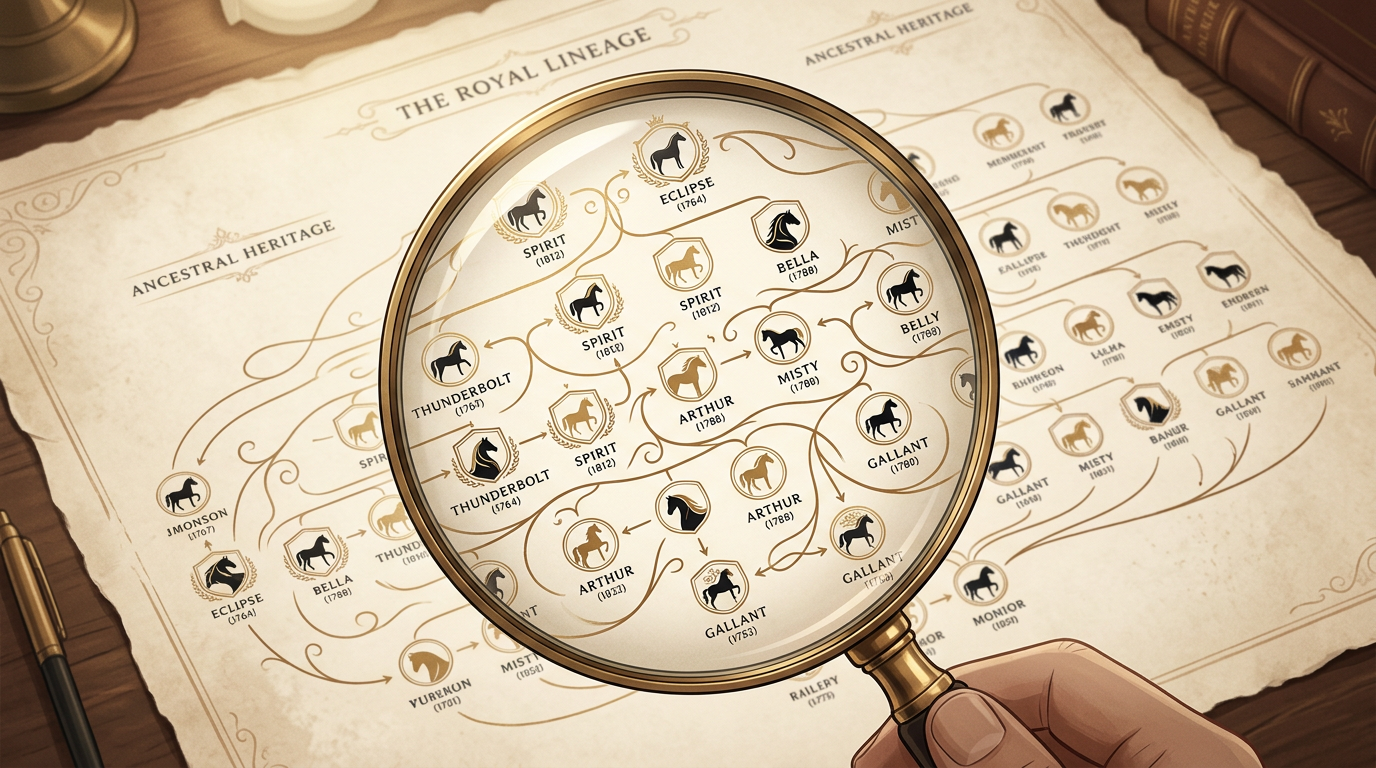
To effectively read horse pedigree papers, it's important to understand the key components they contain. First, these documents list the horse's immediate lineage, often detailing three to five generations. Each generation in the pedigree papers reveals specific data about ancestry, including notable achievements in competitions or unique attributes that enhance the horse's value.
One crucial element of pedigree papers is the 'performance record' section, providing an overview of the competitive successes of the horse itself and its ancestors. This data is invaluable because it offers a glimpse into potential genetic predispositions to success in specific equestrian disciplines. Moreover, knowing if a horse descends from champions in showjumping or dressage can inform your purchase, helping you decide if the horse aligns with your riding goals. For a deeper understanding of how to pinpoint such prospects, you might refer to insights on what to look for in a dressage prospect horse.
What Do Horse Pedigree Papers Mean for Buyers?
Interpreting horse pedigree papers correctly can profoundly impact your purchasing decision and investment. Buyers equipped with this knowledge are better equipped to discern potential red flags or promising traits in a horse's background. For example, two horses from the same breed might have drastically different potential based on their lineage and past accomplishments, as evident from pedigree insights.
Moreover, knowing the pedigree can be particularly beneficial when dealing with international purchases. Understanding lineage minimizes risks involving deceptive descriptions that might arise in online horse sales. Learn more about identifying red flags in listings in our article on identifying red flags in online horse sale photos and descriptions. By doing so, you reduce the chances of encountering unexpected challenges down the line.
Common Misinterpretations and How to Avoid Them
While interpreting pedigree papers can provide a wealth of information, there are common misconceptions that buyers should avoid. One such pitfall is overestimating a horse's potential purely based on its ancestry, without considering other aspects such as conformation and health. A prestigious pedigree doesn't guarantee a superior horse for all purposes—each horse's performance can markedly differ due to various factors, including management and training.
Another misunderstanding lies in interpreting the absence of titles or accolades as a negative indicator. It's essential to consider context; sometimes, lack of decor ascribed to ancestors could mean the descendants have untapped potential in untried disciplines. For a more thorough assessment of a horse's health and suitability before purchase, check out this comprehensive guide.
How Pedigree Papers Fit in the Larger Buying Process
When buying a horse, especially from international markets, pedigree papers are just one piece of the puzzle. Background checks, pre-purchase exams, and understanding the true cost of importing a sport horse from Europe are equally crucial steps in the buying process.
Furthermore, these papers should be considered alongside various legal and logistical considerations. It’s essential to conduct a comprehensive evaluation, combining pedigree information with practical examinations and legal advice to ensure a sound purchase. For a broader understanding of legal and financial considerations, our article on navigating legal considerations when buying a horse internationally provides valuable insights.