How to Assess a Horse's Health from a Distance
Understanding the Signs of a Healthy Horse
When buying a horse remotely, understanding the visible signs of a healthy horse is crucial. Usually, a horse's coat should be shiny and smooth, indicating good nutrition and overall health. Dull or patchy coats could signify underlying health issues or poor grooming. Additionally, observe the horse’s eyes, which should be bright and clear without any discharge that could suggest an infection.
Monitor the horse’s behavior during the video or in photos. A healthy horse tends to be alert and interested in its surroundings. Overly lethargic or anxious behavior might indicate health or temperamental issues. Deeper insights can be gained from understanding the 25 must-ask questions when buying a horse, as this offers guidance on probing deeper into the horse's history and current state.
Using Technology for Remote Health Evaluations
In modern times, AI tools and digital platforms have made assessing a horse’s health remotely more feasible. Platforms like AI Horse Agent can provide significant insights by bringing together various listings and matching them to buyer needs, all while giving a comprehensive overview through collected data and images from digital listings.
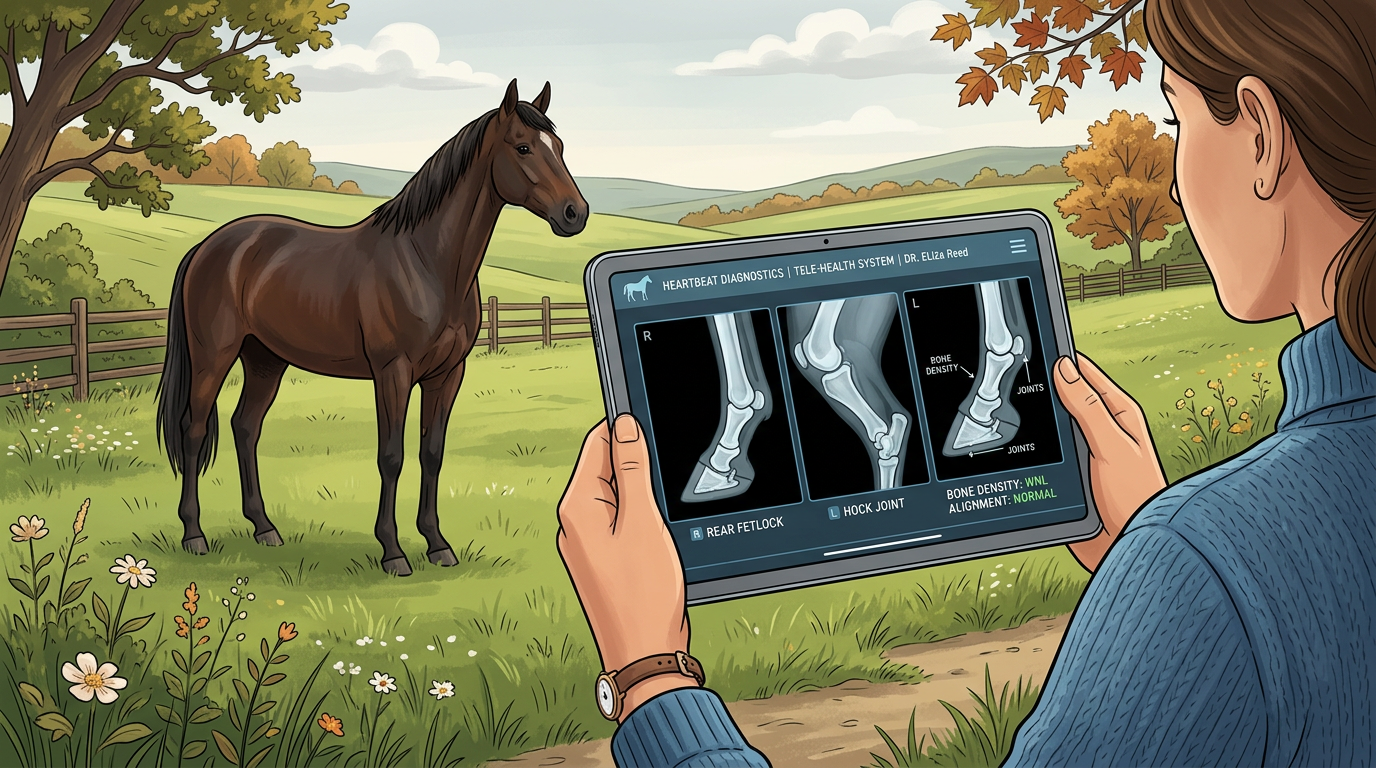
For potential buyers, ensuring that the technology used includes detailed descriptions and high-quality visuals is essential. This helps in noticing subtleties in a horse's gait or posture—significant indicators of musculoskeletal health. Platforms that offer continuous monitoring and updates, like the subscription services provided by AI Horse Agent, ensure you don't miss new arrivals that might fit your criteria in terms of health and other preferences.
Evaluating Horse Health Through Online Media
Photos and videos are indispensable tools for remote horse health evaluation. However, they must be examined critically. Look specifically for red flags in videos or images, like noticeable limps, discomfort signs, or aggressive behavior, especially during movement. Identifying red flags in online horse sale photos and descriptions is a resource that outlines how to discern misleading images from genuine portrayals.
Videos should ideally showcase the horse in various situations—standing, walking, and trotting—to give a complete view of its health and soundness. For more accurate assessments, request recent and candid videos from the owner to compare with previously uploaded ones on digital platforms.
Trusting Expert Input from Afar
Though remote evaluations can be comprehensive, having a professional’s input is invaluable. Many buyers engage veterinarians to conduct remote evaluations, where they analyze videos and documents for potential health concerns. These experts look for discrepancies in the horse's conformation or any subtle signs of distress or illness.
Additionally, requesting a third-party vet visit can provide an unbiased health report. This involves a vet in the locality of the horse performing a health check, which includes blood tests and physical exams of joints and muscles, providing peace of mind.
Making the Most of AI Horse Agent
The AI Horse Agent offers unique advantages for remote horse buyers, reducing manual search efforts by aggregating data and matching it with buyer preferences effectively. It ensures that essential health-related details are not overlooked and keeps you informed about new and relevant listings as they come up.
This tool’s ability to send daily updates allows potential buyers to remain vigilant in the market, ensuring that you are the first to know about a horse that meets your health and other criteria. Whether you are seeking a dressage prospect or a leisure horse, the AI Horse Agent provides critical support by maximizing relevant exposure.