Identifying Red Flags in Online Horse Sale Photos and Descriptions
Understanding the Risks of Buying Horses Online
Purchasing a horse online can be an enticing option due to the wide range of choices available at your fingertips. However, it also poses significant risks as deceitful sellers can manipulate photos and craft misleading descriptions. This potential for deception requires buyers to be vigilant and discerning to ensure they're making informed decisions. Among these are various red flags in online horse listings, which can range from deceptively flattering photos to vague or overly generic descriptions.
The anonymity offered by online platforms can attract fraudulent activities, making it essential to learn how to spot fake horse sale photos and recognize warning signs in descriptions. Buyers must approach each listing with caution and critically evaluate the information provided. This vigilance not only protects you from scams but also saves you time and resources that could be better spent exploring genuine opportunities. For comprehensive safety tips in buying horses online, check out How to Spot Horse Selling Scams: A Guide to Buying Safely Online.
Spotting Fake Horse Sale Photos
Photos are a primary tool used by sellers to attract potential buyers. Unfortunately, they're also a tool that can easily be manipulated to present a horse in an overly positive light. Buyers should be on the lookout for images that seem too perfect or staged. For instance, a horse that appears flawless in every picture might signal the use of photo editing tools. It’s essential to question images that show the horse only from specific angles or always with certain backgrounds that could hide physical flaws.
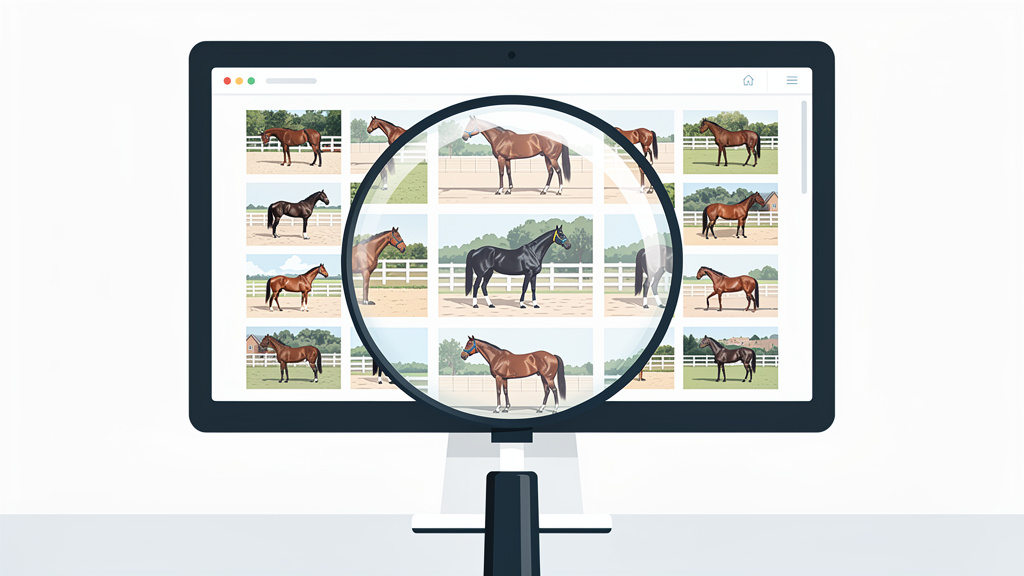
- ✓Check for consistency across photos, ensuring no drastic changes in appearance, setting, or lighting.
- ✓Request additional photos or videos from the seller if the listing seems suspicious.
- ✓Look for high-quality images that show a clear, honest representation of the horse.
- ✓Be wary of stock photos or overly professional-looking pictures that might be sourced from elsewhere.
The presence of inconsistencies or signs of manipulation should prompt further inquiry and verification. For more insights into preparing suitable listings, you might find our article How to Sell a Horse Fast: The Listing That Actually Gets Enquiries useful.
Warning Signs in Horse Sale Descriptions
Descriptions accompanying horse sale listings are meant to provide prospective buyers with essential details about the animal. However, it's not uncommon for sellers to use vague language or omit crucial information intentionally. Be cautious with descriptions that are overly positive without acknowledging any faults. Pay attention to listings that are inconsistent or that contradict themselves—these can be major warning signs.
- ⚑Vague descriptors like 'good horse' without specific achievements or skills mentioned.
- ⚑Overly generalized age or height specifications.
- ⚑Lack of references to health records or veterinary checks.
- ⚑Descriptions that seem too good to be true or lack negatives.
A responsible seller will willingly provide detailed information and be open to sharing more upon request. If you're confronted with scant or generic descriptions, it might be wise to consider other listings or even consult vendors in reputable markets. For further assistance on determining a horse's suitability and understanding buying intricacies, our piece on 25 Must-Ask Questions When Buying a Horse (and How to Spot the Red Flags) offers in-depth guidance.
Utilizing Technology to Verify Horse Details Securely
In the digital age, technology can be a powerful ally in verifying a horse's credentials before purchase. AI tools, for instance, can help analyze photos for authenticity and check the details provided in descriptions. These technologies offer added layers of security and confidence in a buyer’s decision-making process, especially when dealing with listings that might not be entirely forthcoming.
Ensuring privacy and security when using AI tools is also crucial, as it protects users from potential data breaches or misuse. Those interested in integrating AI during their buying process can gain further insights into ensuring privacy and security from Ensuring Privacy and Security When Using AI Tools.
The Role of AI in Safeguarding Your Purchase
Buyers who are cautious about online horse purchases can greatly benefit from AI-assisted verification processes. These intelligent systems help scrutinize listings, images, and even seller credentials, ensuring that no stone is left unturned during transaction evaluations. AI aids in cross-verifying information, giving buyers the peace of mind that traditional research might not fully provide.
Purchasing a horse requires trust and security, which AI facilitates by enhancing transparency in online interactions. By adopting AI verification, potential buyers enhance their ability to identify genuine listings, thus minimizing risks associated with misrepresentation. When navigating international purchases, the importance of legal considerations is pivotal. Learn about these essentials at Navigating Legal Considerations When Buying a Horse Internationally.